Why Researching Each University Helps You Choose The Right Fit For You
If you’re a student-athlete looking to study and play college sport in the US and want to choose the right college for you, there’s one crucial fact you need to know from the start: Every single college in the United States is completely different.
It’s easy to think of “college in the US” as one big system, but in reality, each university has its own unique requirements, resources, and facilities. If you’re serious about going to college in the US, then doing research on each school is absolutely essential.
Here are some questions to find the answers to when you’re doing your research.
1. What Facilities Are Available?
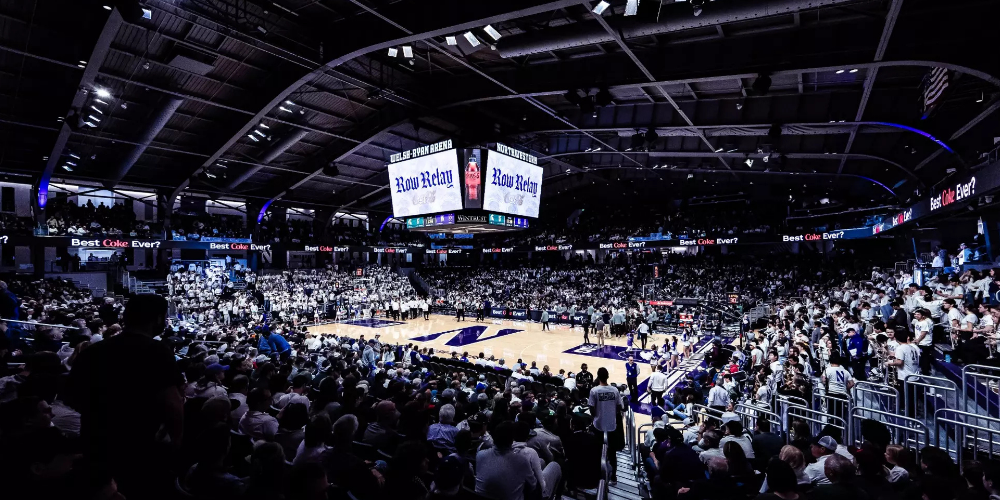
Some colleges have world-class training centers, professional-grade stadiums and top-tier physio and rehab services. Others may have more top-tier athletic support staff and have invested heavy in facilities for smaller sports. Don’t assume every college has the same resources, make sure to ask the coach what the athletic facilities are like for your own sport.
2. What Division Is It?
College sport is governed by different bodies, the NCAA, NAIA, or NJCAA, and each comes with a different level of competition, scholarship availability, and recruiting process. A D1 school may offer the highest level of competition but also the most pressure and limited playing time. Junior colleges can be a stepping stone, offering two-year programs with more immediate playing opportunities.
The best fit for you depends on your goals and your level so don’t focus on the division, focus on how you and your sport level will fit in with the team.
3. Where is it located?
The US is a massive and diverse country. From mountain towns to coastal cities, urban campuses to rural retreats. Your environment will affect your lifestyle, the way you travel and the types of people you’ll meet.
Do you want to be in a warm climate year-round? Be near a major airport for easy travel? These are all really important factors to consider, so make sure to ask the coach what daily life will look like for you at their college.

4. How big is the college?
Some colleges have as many as 20,000 students, while others have as few as 800. School size can play a big role in your decision. Larger schools often offer more impressive facilities, but their big campuses and amount of people around can feel overwhelming. Smaller colleges are easier to navigate, and sports teams often take center stage in campus life – you might even become a familiar face in the local community.
5. What Are The Entry Requirements
Some schools may require higher GPAs, SAT/ACT scores or specific subjects to be completed before arrival. Others are more flexible and may be more suited to you if you’re not the strongest academically. Make sure to find out what the levels of academics are at the college, what support is available for athletes and what’s expected of you.
6. Do they offer full scholarships
Not all schools offer full scholarships. Some offer partial scholarships that cover tuition but not housing or meals. Others might combine athletic aid with academic aid. Some divisions (like NCAA D3) don’t offer athletic scholarships at all but may still offer financial aid packages.
Understanding what the college is able to offer is important. Never assume you’ll be receiving a full scholarship when entering conversations with a coach.
If you’re working with a college recruitment agency, they should be doing the financial conversations with the coaches for you and you’ll only be connected with college that you and your family can afford. That way, you can focus on getting to know the program and the coach without the awkward negotiations.

7. Is it a Junior College?
Junior Colleges (NJCAA) offer two-year programs and can be a great option for athletes looking to improve academically or athletically before transferring to a larger program. Check out our other blog on what a junior college is and why it could be a good option for you.
8. Do they have any religious affiliations?
Some universities are affiliated with different religions and this can shape daily life, campus rules, and even what is expected from students both on and off the field. While many religious colleges welcome students from all backgrounds, it’s something you need to be aware of if you’re looking for a certain type of environment.
If that matters to you, ask about campus culture and expectations.
Do Research and Ask the Right Questions.
With so many differences between universities, there is only one way to be able to choose the right college for you: Doing research.
So where do you start? Think about what’s important to you… playing time, coaching style, facilities, academic flexibility, location, lifestyle, finances and prepare a list of questions before speaking to a coach.
These conversations are not just about you impressing them, they’re your chance to make sure the school fits you too.

We’re Here to Help You Navigate the Process
At College Sports America, we guide student-athletes through every step of the college recruitment journey. From identifying the right colleges that suit your needs to connecting with coaches and asking the right questions, our goal is to help you find the best fit for your future.
Remember: No two colleges are alike. The more information you know about your options, the easier not will be to choose the right college for you.
Need help starting the process and reaching out to coaches?
Contact us today and we’ll help you take the next steps toward your future in US college sports.